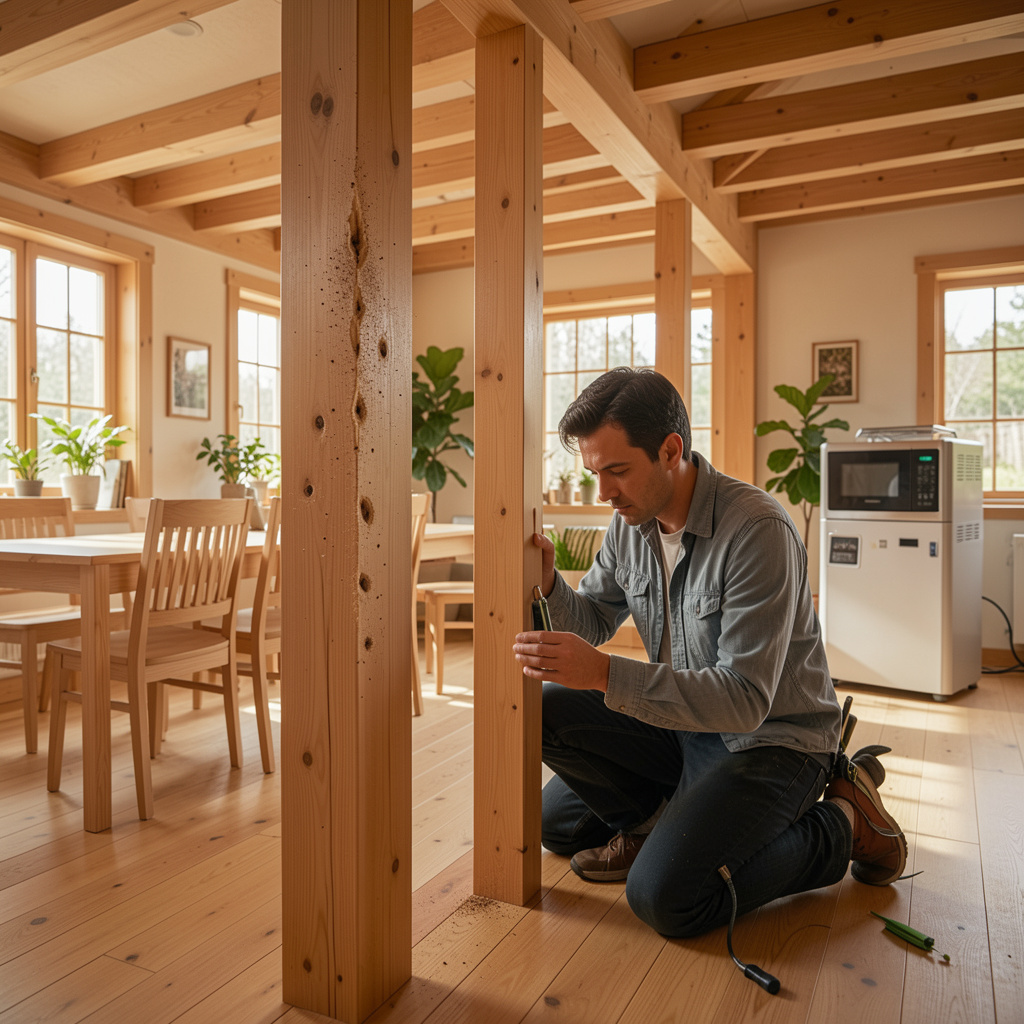
Wooden furniture, flooring, roof beams, and structural timber add beauty and strength to homes. However, wood can sometimes attract insects that quietly damage timber from the inside. One of the most common concerns for homeowners is wood-boring beetles, which may weaken furniture, wooden structures, and hidden roof supports over time.
Because beetle damage often begins inside timber, many homeowners do not notice the problem until tiny holes, powdery dust, or weakened wood appear. If ignored, beetle infestation may spread and lead to costly repairs.
The good news is that beetle damage can often be prevented or stopped with early action, moisture control, routine inspections, and proper treatment.
Many homeowners researching timber care through shashel.eu/ understand that protecting wood early helps reduce expensive structural problems later.
In this guide, we will explain how to stop beetles from damaging wood and protect timber long term.
What Are Wood-Boring Beetles?
Wood-boring beetles are insects that lay eggs in timber.
After hatching:
- Larvae feed inside wood
Eventually:
- Adult beetles emerge through tiny holes
Common Areas Beetles Affect
- Furniture
- Floorboards
- Roof beams
- Ceiling joists
Because much of the activity stays hidden:
Damage often develops quietly
Early detection matters.
Keep Wood Dry
Moisture is one of the biggest reasons beetles target timber.
Why Damp Wood Matters
Many beetles prefer timber that becomes:
- Damp
- Soft
Common Moisture Sources Include
- Roof leaks
- Pipe leaks
- Condensation
Dry timber naturally discourages infestation.
Healthy homes stay drier.
Many homeowners exploring timber care through shashel.eu understand that moisture control is one of the best ways to stop beetle damage.
Improve Ventilation
Poor airflow increases humidity.
Why Ventilation Helps
Healthy airflow helps:
- Reduce moisture buildup
- Lower pest risk
High-Risk Areas Include
- Attics
- Crawl spaces
- Roof spaces
Dry environments naturally discourage pests.
Simple improvements matter.
Inspect Wood Regularly
Routine inspection helps catch beetle activity early.
Warning Signs to Watch For
Look for:
- Tiny holes in wood
- Powdery dust (frass)
- Weak timber
Areas Worth Inspecting
Check:
- Furniture
- Roof beams
- Wooden floors
Fast action improves results.
Consistency matters.
Repair Cracks and Openings
Beetles often lay eggs in damaged wood.
Why Cracks Matter
Openings may create space for:
- Egg laying
Areas Worth Checking
Inspect:
- Roof beams
- Furniture
- Wooden walls
Small repairs improve protection.
Healthy timber stays stronger.
Treat Infestation Early
Ignoring beetle activity often increases damage.
Why Fast Treatment Matters
Early action helps stop:
- Further wood damage
- Spreading infestation
Warning Signs That Need Attention
Watch for:
- Fresh powdery dust
- New holes appearing
Small problems deserve attention.
Heat Treatment for Beetle Control
Heat treatment is becoming increasingly popular.
How Heat Treatment Works
Controlled heat helps eliminate:
- Eggs
- Larvae
- Adult beetles
Why Homeowners Prefer It
Heat treatment:
- Reduces chemical exposure
Deep treatment improves effectiveness.
Healthy homes matter.
Microwave Treatment for Hidden Beetles
Microwave technology is another modern solution.
How Microwave Treatment Works
Microwave energy heats moisture inside:
- Wood
- Insects
This helps destroy:
- Hidden larvae
- Eggs
Why It Works Well
Microwave treatment helps target:
Internal infestation
inside timber.
Many homeowners researching timber care through shashel.eu increasingly choose microwave treatment for safer and deeper pest protection.
Protect Wooden Furniture
Furniture also deserves preventive care.
Helpful Maintenance Tips
Keep furniture:
- Dry
- Clean
Inspect regularly for:
- Tiny holes
- Loose joints
Healthy furniture lasts longer.
Routine care matters.
Inspect Hidden Areas
Beetles often remain hidden.
High-Risk Hidden Areas Include
- Attics
- Ceiling spaces
- Roof supports
Why Hidden Spaces Matter
Damage often spreads quietly.
Routine inspection improves prevention.
Never overlook concealed timber.
Common Mistakes Homeowners Make
Ignoring Tiny Holes
Small signs often indicate hidden activity.
Delaying Treatment
Damage spreads over time.
Ignoring Moisture
Damp timber attracts beetles.
Skipping Hidden Spaces
Attics deserve regular inspection.
Routine care improves durability.
Long-Term Prevention Tips
Keep Timber Dry
Dry wood discourages beetles.
Improve Ventilation
Healthy airflow matters.
Inspect Regularly
Early warning signs deserve attention.
Repair Leaks Quickly
Moisture increases infestation risk.
Consistency protects timber.
Conclusion
Stopping beetles from damaging wood begins with prevention, moisture control, ventilation, routine inspections, and fast treatment. Because beetle activity often remains hidden inside timber, recognizing warning signs such as tiny holes, powdery dust, weak wood, and damp conditions is essential.
Modern methods such as heat treatment and microwave technology may help target hidden infestation while reducing chemical exposure.